
Dust, dried droppings, monsoon moisture and hard-water residue can make a bird net look dirty, but aggressive cleaning can loosen knots, stretch mesh or damage the perimeter. You will be able to clean from inside a balcony, choose safe tools and detergent, remove contamination without scraping, and check that the net still blocks every entry point.
Key takeaways
- Remove loose grit and dried droppings before adding water.
- Use diluted neutral soap and a soft cloth or brush.
- Inspect knots, clips, anchors and perimeter tension after drying.
- Schedule routine checks for loose edges, tears and sagging mesh.
Remove dust and dried droppings before washing
Start by removing loose grit before adding water. This is the safest first step in how to clean bird netting in pune because dried roadside dust can rub against and abrade the mesh fibres.
- Put on disposable gloves, eye protection and a mask suitable for dusty cleanup before touching pigeon droppings. If the balcony has heavy contamination, people with respiratory or immune problems should not handle the work themselves.
- Lift away feathers and cobwebs with a clean, soft-bristle brush. Use a low-suction vacuum for loose roadside dust, keeping the nozzle from pressing against the net.
- Never use compressed air or dry-sweep pigeon waste. Both methods can spread contaminated dust and increase the chance of inhalation.
- Spray or lightly wet dried droppings with clean water until they soften. Do not scrub hard, and do not begin by rubbing dry waste into the mesh.
- Pick up the softened material with a microfiber cloth, using gentle lifting strokes rather than dragging it across the net. Rinse or replace the cloth as it becomes dirty.
- Place used disposable cloths, gloves and other contaminated waste in a sturdy bag, seal it, and follow local waste guidance. Remove your protective equipment carefully, then wash your hands with soap and water.
Do not pull the net to reach hidden residue. Stop if cleaning requires leaning beyond the balcony edge.
Wash the mesh with gentle tools and diluted neutral soap
To clean pigeon net safely in Pune, use hand-washing rather than force. Prepare a bucket of clean water, a soft-bristle brush or microfiber cloth, a low-pressure spray, and a stable step platform. Keep the platform on a level surface; never balance on a railing or window ledge.
1. Add a small amount of neutral, non-abrasive household detergent to the bucket. Dilute it well in water; concentrated cleaner can leave residue and weaken or haze the mesh.
2. Shield windows, frames, air-conditioners and electrical components from dirty runoff. Start at the top of the net and work downward, using light strokes with the damp brush or cloth. Do not pull, twist, scrub across knots, or force the mesh against its fixings.
3. Rinse from the top down with a low-pressure spray until no soap film remains. A final rinse with filtered or low-mineral water reduces hard-water spots on dark mesh, glass and metal.
4. Let the net drain and dry naturally. Do not use a pressure washer, heat gun or sharp tool to speed the process.
Avoid bleach, toilet cleaner, strong acids, alkaline cleaners, concentrated disinfectant, solvents, petrol, acetone, paint thinner, abrasive powders, wire brushes and sharp implements. These products can weaken fibres, damage coatings, attack clips or corrode fittings. If a cleaner is proposed, check manufacturer compatibility and test an inconspicuous area first.
Work from inside the balcony and inspect every fixing after drying
Work from inside the balcony whenever the mesh is near an open edge. A pigeon net is not fall-arrest equipment: do not lean through it, pull the mesh towards you, climb on a railing, or stand on an unstable chair. High-level exterior work requires trained access and proper fall protection.
Pune’s traffic dust, heat, monsoon humidity, algae-like staining, slow drying, bird residue and corrosion can hide failures. After gentle washing, let the mesh and hardware dry completely; wet strands and fittings conceal damage.
- Check for broken strands, enlarged gaps, loose knots, detached hooks and sagging edges.
- Examine the supporting cable for fraying or UV-brittle sections, and inspect ferrules and crimps for corrosion.
- Test visually for pulled-out wall plugs and loose corner fittings; do not tug the net to test them.
- Trace the perimeter for gaps at walls, ceilings, drains and air-conditioner pipe penetrations.
- Look behind folds and around fixing points for trapped droppings, algae-like growth, rust staining or damp organic matter.
- Stop and arrange controlled repair if the mesh is torn, tension has changed, an anchor has moved or corrosion has weakened a fitting.
These bird netting care instructions in Pune matter because a clean mesh with a failed perimeter no longer excludes pigeons. If any inspection requires reaching outside, leave the cleaning to trained personnel using a suitable access system and fall protection. Wash your hands after handling the dried net or contaminated hardware.
Know what a professional bird-net cleaning service in Pune should include
Compare the scope, not just the balcony’s square footage. A useful bird-net cleaning service in Pune quote names the equipment, cleaning method, protections and inspection work that prevent a clean-looking net from losing its barrier.
| Item | What the quote should specify | Why it matters |
|---|---|---|
| Access and safety | Stable platform or other access equipment, with a method that avoids leaning through or pulling the net | The mesh is not fall-arrest equipment |
| Debris and droppings | Soft-brush or low-suction removal, wet handling of dried droppings, bagging and disposal | Dry sweeping spreads contaminated dust and grit |
| Chemical and rinse | Product name, dilution, neutral non-abrasive formula and low-pressure rinse | Concentrated or harsh chemicals can weaken fibres and fittings |
| Protection and drying | Covers or shielding for glass and air-conditioners, plus drying before inspection | Spray and residue can damage nearby surfaces or hide defects |
| Fixing inspection | Checks of cables, clips, hooks, anchors, ferrules, crimps and corner gaps | A clean mesh with a failed perimeter still admits birds |
Reject a quote based only on area. Ask what happens if the technician finds torn mesh, loose anchors, corroded fittings or a gap requiring controlled reinstallation; the work must not involve casually cutting or untying the net.
Ask Global Pest Control to define these inclusions and repair procedures in writing, then compare that scope with other providers.
Related product
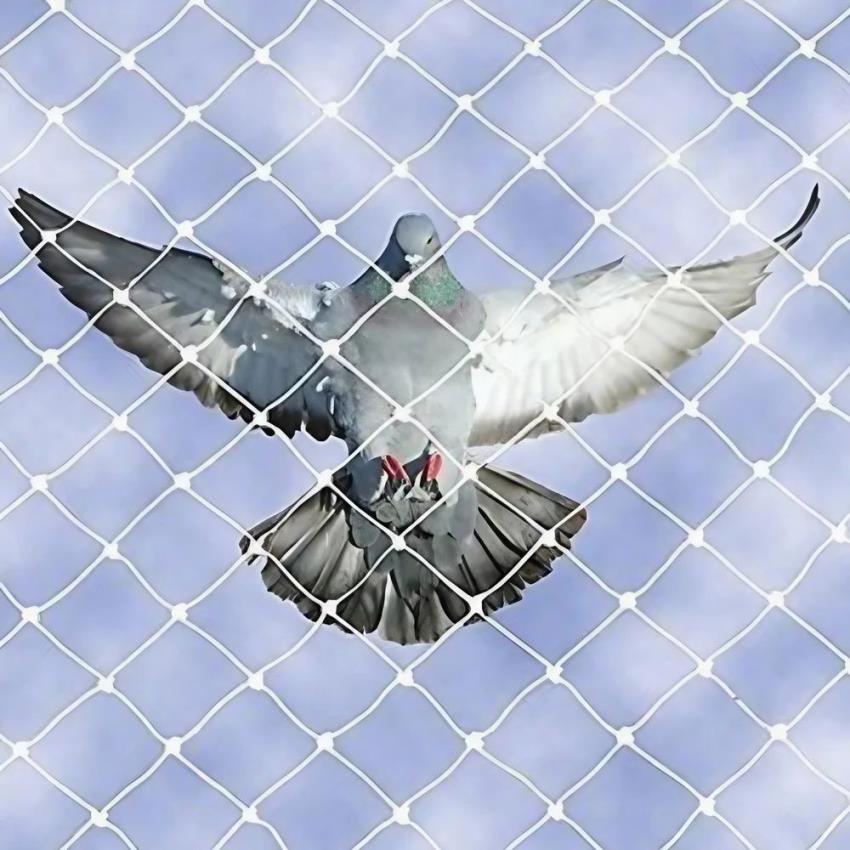 | Bird Netting Global Pest Control Bird Netting Services has more than 6 years of experience in Bird Netting Services. View product → |
Set a maintenance routine that catches protection failures early
Remove visible cobwebs, feathers and loose debris regularly, then perform a close visual inspection every few months. Increase checks during heavy pigeon activity or construction dust, when grime can hide a small tear or blocked perimeter gap.
Inspect again after severe wind, building work, or contact with furniture, ladders or branches. After monsoon cleaning, wait until the mesh and metal fittings are dry; moisture can conceal corrosion, algae-like staining and changed tension.
Stop routine cleaning and arrange controlled repair when you find:
- Sagging mesh or a noticeable change in tension
- A torn strand, enlarged gap or opening at a corner, drain or air-conditioner pipe
- Loose or detached hooks, clips, cables, ferrules, crimps or corner fittings
- Corroded hardware, frayed cable, UV-brittle material or a pulled-out wall plug
- Contact damage from a ladder, branch or furniture
Do not cut or untie the net for convenience. A small unclosed gap can become a pigeon entry route, and an improvised retensioning job can leave the perimeter weaker than before.
Cleaning a sagging, torn or retensioned net does not restore protection; have the installer or a trained technician repair it with a controlled reinstallation method. A clean-looking mesh with a defective perimeter no longer provides dependable bird exclusion.
Frequently asked questions
How should you remove dust and dried droppings from bird netting?
Start from inside the balcony and remove loose grit with a soft brush or vacuum attachment. Lift dried droppings gently after dampening them; do not scrape the mesh with a blade or hard tool.
What should you use to wash bird netting?
Use clean water, diluted neutral soap and a soft cloth or soft-bristle brush. Avoid bleach, solvents, abrasive powders, pressure washers and stiff brushes because they can weaken or abrade the mesh.
How can you inspect bird netting after cleaning?
Let the net dry fully, then check every knot, clip, anchor, cable and perimeter edge. Look for tears, loose fixings, sagging sections and gaps between the net and balcony frame.
What should a bird net cleaning service in Pune include?
A service should remove dry debris, wash the mesh with suitable tools, rinse without damaging the fibres, dry or allow safe drying, and inspect the complete fixing system before leaving.